Minimizing Downtime During Chemical Plant Outages: The Strategic Role of Secure On-Site Storage
August 29, 2026 1:53 pmChemical plant outages put extraordinary pressure on schedules, crews, equipment, and material flow. Around Sweeny, where refining, petrochemical, midstream, and contractor activity is part of the local industrial landscape, even small logistical delays can ripple through a tightly planned turnaround.
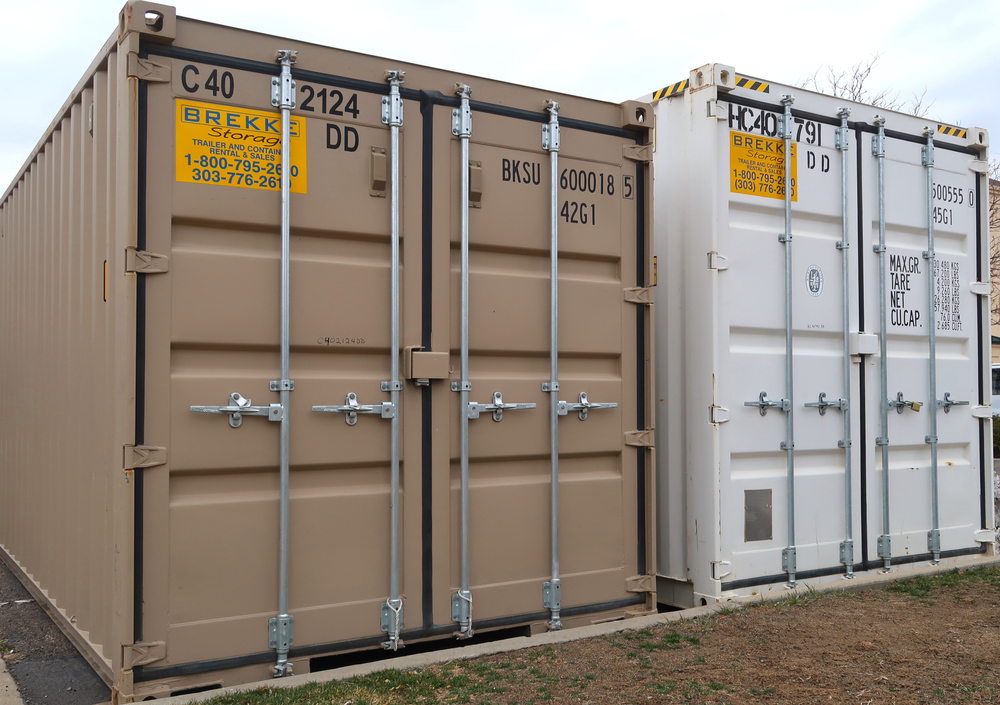
Secure on-site storage can help outage teams keep tools, parts, consumables, and selected project materials close to the work while reducing unnecessary trips to off-site staging areas.
Quick answer: Secure on-site storage can support chemical plant outage efficiency by placing approved materials and equipment closer to the crews who need them. Properly positioned storage containers can reduce retrieval time, organize contractor supplies, protect items from Gulf Coast weather, and give outage planners more control over temporary inventory. Storage placement, contents, access, and security should always comply with the facility’s site-specific safety and operational requirements.
What local outage teams should know
-
Temporary storage works best when it is planned before the outage rather than added after staging areas become congested.
-
In the Sweeny and Old Ocean industrial area, heat, humidity, rain, and Gulf Coast storms make weather protection an important storage consideration.
-
Containers can help separate tools and materials by contractor, craft, work area, or phase of the turnaround.
-
Storage locations should never interfere with emergency access, plant traffic patterns, fire lanes, evacuation routes, or facility operating requirements.
-
Fast access matters most when crews know exactly which container holds the material they need.
Why Secure Storage Matters During Sweeny-Area Plant Outages
Secure storage matters during Sweeny-area plant outages because turnaround schedules depend on getting the right tools and materials to the right crews without adding avoidable movement. Strategically placed storage can shorten retrieval paths, improve organization, and provide a controlled staging point while keeping facility safety requirements at the center of the plan.
The local industrial environment makes those efficiencies especially relevant. Phillips 66 describes its Sweeny Refinery in nearby Old Ocean as a 14,000-acre facility with refining operations and connections to pipeline, rail, and waterborne transportation. The broader Sweeny Hub also includes natural gas liquids infrastructure.
That scale illustrates a basic challenge of industrial outage logistics: workers may be operating across large sites with multiple work zones, contractors, laydown areas, and access controls.
A Mobile Box provides portable storage solutions for customers in the Sweeny area. We can help businesses establish convenient temporary storage capacity close to an approved work area without relying entirely on distant warehouses or repeated supply runs.
Local Data and Industrial Context
The Sweeny area sits within one of Brazoria County’s most active industrial corridors, making logistics planning a practical part of outage preparation. Phillips 66 identifies the Sweeny Refinery and Sweeny Hub as significant refining and NGL operations, while Port Freeport describes Freeport as an important industrial center within the county.
State Highway 35 is also one of Brazoria County’s major highways, along with State Highways 36 and 288. For contractors and suppliers moving between Sweeny, Old Ocean, West Columbia, Angleton, Lake Jackson, Clute, and Freeport, transportation time can become part of the outage equation.
Keeping approved supplies on-site cannot eliminate every logistics delay, but it can reduce dependence on repeated retrieval trips for commonly needed items.
How On-Site Storage Can Reduce Outage Downtime
On-site storage can reduce outage downtime by shortening the distance between crews and frequently used equipment, tools, parts, and consumables. Instead of sending workers or support personnel to a remote warehouse every time an item is needed, an organized container can function as a nearby inventory point within the facility’s approved logistics plan.
That can support several aspects of turnaround execution:
-
Crews spend less time searching for commonly used materials.
-
Contractor equipment can remain separated and easier to account for.
-
Replacement parts can be staged before a planned maintenance window begins.
-
Weather-sensitive supplies can have additional protection from rain and outdoor exposure when suitable for container storage.
-
Supervisors can establish predictable locations for specific categories of equipment.
The objective is not simply to add more storage. It is to place the right amount of storage where it improves material flow.
Warning Signs Your Outage Storage Plan May Be Falling Short
An outage storage plan may need attention when crews regularly lose time locating supplies, materials accumulate in uncontrolled staging areas, or off-site retrieval trips become routine. These problems can become more costly during a turnaround because several contractors and work groups may be competing for space and resources at the same time.
Watch for these warning signs:
-
Workers repeatedly leave their assigned area to retrieve basic tools or consumables.
-
Materials are being moved multiple times before they reach the point of use.
-
Contractor equipment is mixed together with no clear organization.
-
Temporary staging areas are becoming crowded or difficult to manage.
-
Rain exposure is affecting items that could have been stored in a suitable enclosed space.
-
Supervisors cannot quickly determine where a needed component is located.
-
Supply vehicles are making frequent trips for items that could reasonably have been staged in advance.
When to Arrange Professional Portable Storage
Portable storage should be arranged before an outage when planners know temporary inventory, contractor equipment, or project materials will exceed normal storage capacity. Early coordination gives the facility more opportunity to select approved locations, determine container quantities, organize access, and incorporate storage into the overall turnaround logistics plan.
At industrial facilities near Sweeny, the plant’s own safety, security, traffic, and emergency-response requirements take priority.
Storage providers should receive clear delivery instructions and designated placement locations. Facility personnel should determine what materials may be stored, where containers may be positioned, who may access them, and whether additional internal procedures apply.
Common Causes of Outage Logistics Delays
Outage logistics delays commonly result from poor staging, long retrieval distances, changing material requirements, weather exposure, and congested work areas. In the Brazoria County industrial corridor, large sites and Gulf Coast conditions can make these issues more noticeable when thousands of individual maintenance activities must be coordinated within a limited window.
1. Materials staged too far from the work
A warehouse may be secure and organized, but distance still matters when crews repeatedly need supplies throughout a shift.
2. Insufficient temporary storage
Normal plant storage capacity may not be designed for the additional tools, parts, and contractor materials required during a major outage.
3. Poor organization
A container full of unidentified or mixed materials can simply relocate the search problem. Storage should be organized around how crews actually retrieve items.
4. Weather exposure
Sweeny-area heat, humidity, thunderstorms, and heavy rain can complicate outdoor staging. Enclosed storage can provide useful protection for appropriate materials.
5. Last-minute logistics changes
Scope changes are common during complex maintenance events. Flexible temporary storage can give planners additional staging capacity when approved areas are available.
Prevention and Outage Storage Planning
Effective outage storage planning starts by identifying what should be staged, where crews will use it, and how often it will need to be accessed. For Sweeny-area facilities and contractors, that planning should happen alongside traffic control, laydown planning, contractor mobilization, and other pre-outage logistics decisions.
Before delivery, consider:
-
Which crews or contractors need dedicated storage?
-
Which items will be accessed every shift?
-
Where can containers be placed without disrupting plant operations?
-
How will stored items be labeled and inventoried?
-
Who is authorized to access each unit?
-
Which materials are unsuitable or prohibited for container storage?
-
How will containers be removed when the outage is complete?
Do not use a portable storage container for hazardous, incompatible, temperature-sensitive, or otherwise restricted materials unless the facility and storage provider have specifically confirmed that the use is permitted and appropriate.
Expected Results From Better On-Site Storage
Better on-site storage should produce a more organized material flow, fewer unnecessary retrieval trips, and clearer control over temporary outage inventory. It does not eliminate equipment problems, scope changes, permitting delays, or other turnaround risks, but it can remove avoidable storage and staging friction from an already complicated project.
For contractors working around Sweeny and Old Ocean, a well-positioned container may also simplify mobilization and demobilization. Equipment can arrive together, remain in a designated location during the project, and be consolidated again as the contractor completes its work.
Common Storage Mistakes During Plant Outages
The most common storage mistakes involve poor placement, weak organization, and treating temporary storage as an afterthought rather than part of the logistics plan. A container is most useful when its location and contents reflect the way the outage will actually be executed.
Mistake: Ordering storage after staging areas are already crowded.
Consequence: Placement choices may be limited when the outage is underway.
Better approach: Include temporary storage needs in pre-turnaround planning.
Mistake: Putting unrelated materials into the same unit.
Consequence: Crews spend unnecessary time searching.
Better approach: Assign containers by contractor, workstream, area, or material category.
Mistake: Choosing placement only for convenience.
Consequence: The unit may conflict with traffic, access, or facility requirements.
Better approach: Obtain facility approval for every storage location.
Mistake: Treating a container as unrestricted storage.
Consequence: Unsuitable materials may be placed inside.
Better approach: Follow plant rules and provider restrictions concerning permitted contents.
A Common Local Outage Scenario
A common Sweeny-area scenario involves several contractor teams arriving before a scheduled maintenance outage with tools, replacement components, PPE, consumables, and support equipment. Without sufficient temporary storage, supplies may end up spread among trucks, distant staging areas, and shared locations.
A better-planned setup assigns approved storage space close to the relevant work zones. Containers are labeled by crew or function, high-use items are positioned for easy retrieval, and supervisors establish access responsibilities.
The benefit is simple: less time devoted to finding and transporting materials, and more predictable support for the work itself.
Related Portable Storage Solutions
Portable storage solutions can support outage preparation by giving facilities and contractors temporary capacity for approved tools, equipment, parts, and project supplies. The appropriate container size, quantity, delivery schedule, and placement depend on the site’s logistics plan and the materials being stored.
We can work with customers to coordinate portable storage around their operational schedule and approved delivery location.
Comparing On-Site Storage With Off-Site Storage
On-site and off-site storage serve different purposes during an outage, but on-site storage is generally better suited to items crews need frequently. Off-site warehouses may make sense for overflow inventory or materials that do not need immediate access.
On-site storage offers shorter retrieval distances and direct availability within an approved work area. Off-site storage can provide additional capacity without occupying valuable plant space.
Many outage plans may benefit from using both strategically rather than treating either option as the universal answer.
Service Areas
We provide portable storage solutions for businesses in Sweeny and surrounding Brazoria County communities. Depending on delivery availability, nearby industrial areas may include Old Ocean, West Columbia, Angleton, Lake Jackson, Clute, and the Freeport area.
The Cost of Ignoring Outage Storage Logistics
Ignoring outage storage logistics can add unnecessary handling, travel, searching, and congestion to a project where productive time already matters. One poorly located tool may seem minor, but repeated retrieval delays across multiple crews and shifts can create avoidable inefficiency.
The better approach is to treat temporary storage as one component of the outage logistics plan before contractors mobilize.
Frequently Asked Questions
How can portable storage help during a chemical plant outage in Sweeny?
Portable storage can help a Sweeny outage team keep approved tools, components, and supplies closer to the work area. When units are properly located and organized, crews can reduce repeated trips to remote storage areas while maintaining a defined place for temporary project inventory.
Where should storage containers be placed at a Sweeny-area industrial facility?
Storage containers should be placed only in locations approved by the facility. The selected area should account for plant traffic, emergency access, evacuation routes, work zones, utilities, security requirements, and other site-specific restrictions. Convenience should never override operational or safety requirements.
What can contractors store in portable containers during an outage?
Contractors can typically consider portable containers for suitable tools, equipment, consumables, and project materials, subject to the storage provider’s restrictions and the facility’s rules. Hazardous, incompatible, temperature-sensitive, regulated, or otherwise restricted materials require separate evaluation and should never be assumed suitable for container storage.
Does Gulf Coast weather affect temporary storage around Brazoria County?
Yes. Gulf Coast heat, humidity, rain, and storms can affect outdoor staging conditions throughout Brazoria County. An enclosed portable container may provide useful weather protection for appropriate items, although it should not be treated as climate-controlled storage unless that capability has specifically been provided.
Should storage be delivered before a scheduled turnaround?
Yes. Delivering storage before contractor mobilization can make it easier to establish organized staging areas and confirm approved placement. Early delivery also gives outage planners time to label units, assign access, stock frequently used materials, and correct logistical issues before the maintenance window becomes more demanding.
Can portable storage support contractors working near Old Ocean and Sweeny?
Yes. Contractors working around Old Ocean and Sweeny can use portable storage as part of a temporary staging plan when the facility permits it. Dedicated units can help keep contractor-owned tools and supplies consolidated rather than distributed among vehicles, warehouses, and several temporary work areas.
Is on-site storage always better than an off-site warehouse?
No. On-site storage is usually most useful for items that crews need regularly, while an off-site warehouse can be appropriate for overflow or lower-priority inventory. The best outage logistics plan may combine both based on available plant space, retrieval frequency, security needs, and facility requirements.
How early should Brazoria County plants and contractors plan outage storage?
Planning should begin early enough for storage requirements to be incorporated into mobilization, traffic, staging, and delivery decisions. Major outage schedules can involve many contractors and competing space requirements, so identifying temporary storage needs before equipment begins arriving usually provides more flexibility than reacting during the turnaround.
Keep Your Sweeny Outage Organized From Mobilization to Demobilization
Effective temporary storage will not solve every challenge associated with a plant outage, but it can help remove unnecessary material-handling friction from a demanding schedule. For industrial teams around Sweeny, Old Ocean, and the surrounding Brazoria County corridor, thoughtful storage planning helps keep people, tools, and supplies better organized.
Put Critical Outage Supplies Closer to the Work
We can help you plan secure portable storage around your approved site requirements and project schedule.
Categorised in: Onsite Storage
This post was written by admin
Comments are closed here.